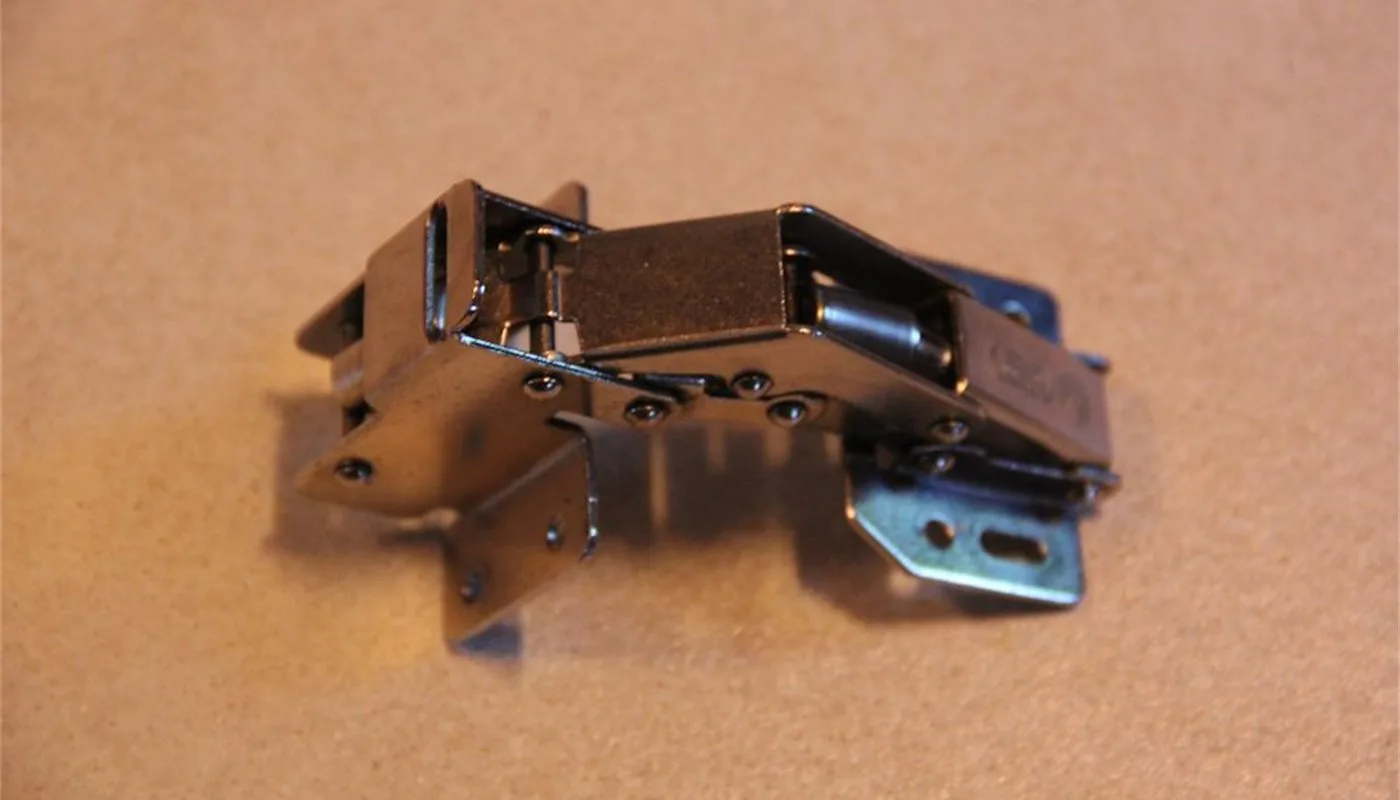
Concealed cabinet hinge pulled out often starts as a small inconvenience, but furniture mechanisms rarely fail all at once. A door may feel heavy today, a drawer may stop halfway next week, and after repeated force the rail, hinge, screw seat or cabinet body can become harder to repair. For a technical inspection, contact our furniture repair service.
In apartments and offices, furniture is affected by moving, uneven floors, moisture and daily use. This guide explains how to recognize the issue, what can be checked safely, and when a furniture repair and assembly technician from 166 Usta is the better option.
The first signs are usually linked to movement, load or sound. It is useful to notice exactly when the symptom appears: during opening, closing, sitting, pulling, or after the furniture has been moved. This information helps separate a simple adjustment from a damaged part.
If one of these signs keeps returning, forcing the furniture is not a good solution. Extra pressure widens screw holes, bends tracks and makes alignment worse, so the repair may become more expensive than an early adjustment.
A furniture technician does not look only at the visible damaged piece. The same symptom can come from the mechanism, the cabinet body, the load or the installation point. That is why a proper diagnosis checks several details together.
Choosing the wrong quick fix can hide the problem for a few days and then make it worse. Oil, oversized screws or forced closing may damage MDF, chipboard and metal fittings. A durable repair starts with understanding why the part moved out of position.
You can explore other repair and maintenance services on the 166 Usta homepage.
There are safe observations a user can make, but heavy doors, wall cabinets and damaged board material should not be dismantled without tools and support. The goal is to collect useful information, not to take the furniture apart.
When you contact a technician, explain where the sound or movement comes from, whether the furniture was recently moved, and whether the problem appears under load. These details help the master bring the right fasteners and replacement parts.
Call a technician when a part is sagging, pulling away, scraping hard, or when screw holes no longer hold. At this stage the furniture may look usable, but the next forceful movement can break the fitting or damage the board.
Professional repair aims to remove the cause, not only the symptom. Alignment, load distribution, wall fixing points, hinge strength and rail position are checked so the same issue does not return after a few days.
Furniture mechanisms last longer when load is balanced and movement remains smooth. Small noises should be treated as an early warning, especially in kitchen, bedroom and hallway furniture that is used every day.
Early adjustment protects both appearance and safety. It also prevents a simple fitting problem from turning into a broken board, bent rail or loose wall cabinet.
166 Usta helps with furniture repair, adjustment, assembly and fixing problems. Share a photo of the damaged area and describe the symptom so the technician can prepare suitable tools and parts.
To arrange help from our furniture repair service, call +994 50 274 92 92 or +994 10 123 01 66, or use our contact page. Describe the problem and provide your address so we can clarify the work and a suitable appointment time.